About Ali
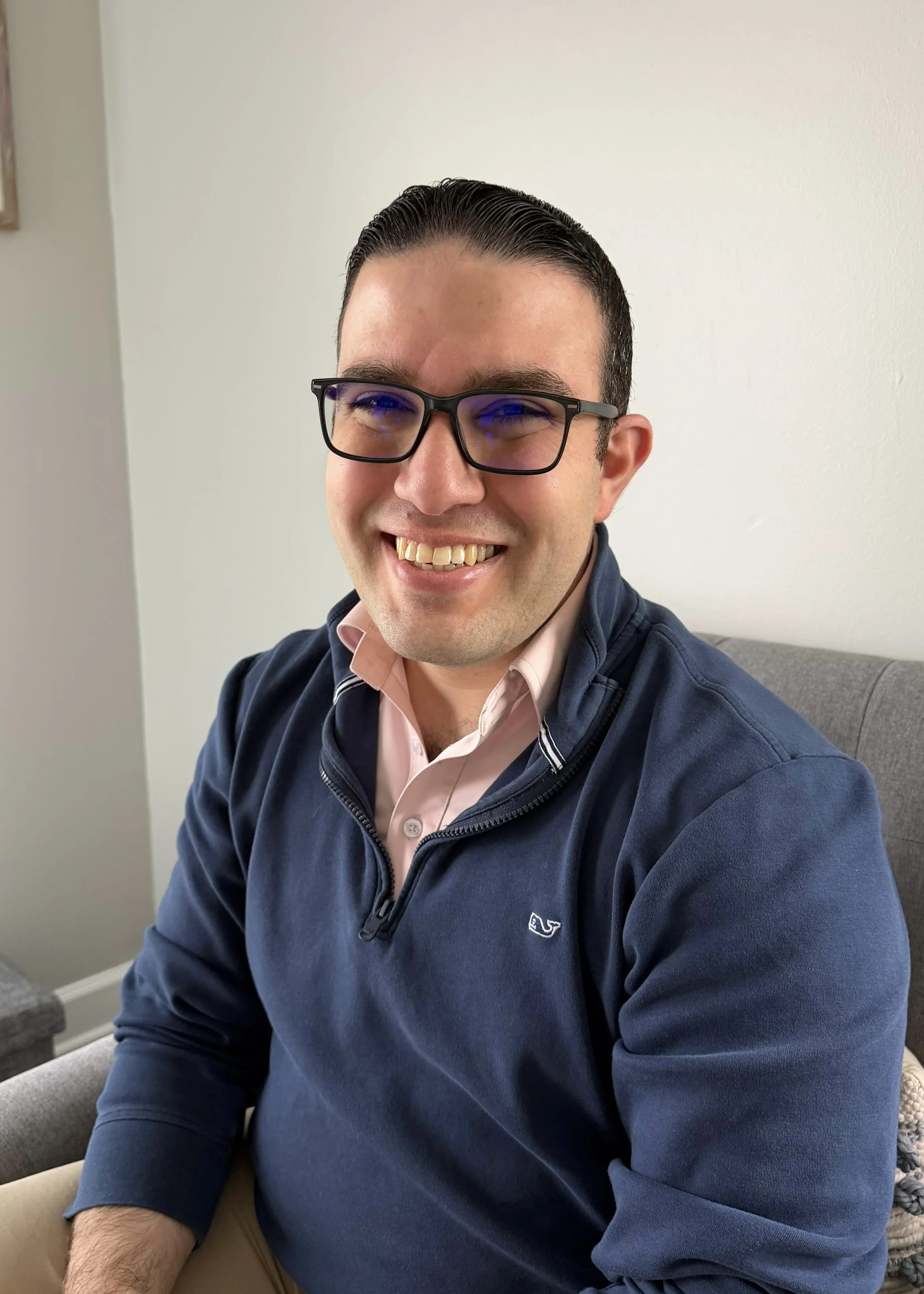
You might be feeling overwhelmed, stuck, or trying to make sense of experiences that don’t always feel easy to put into words. Whether you’re navigating anxiety, depression, chronic pain, ADHD, or major life transitions, you don’t have to figure it out on your own.
Ali is a compassionate therapist who takes a collaborative, down-to-earth approach to care. He focuses on creating a space where you feel genuinely heard, understood, and supported- without judgment. His work is rooted in trauma-informed care and cultural humility, with an understanding that your experiences are shaped by your environment, relationships, and lived experiences.
Ali’s path into this work began through community advocacy, where he co-founded the You Are Not Alone Foundation, a nonprofit focused on mental health awareness and financial literacy in underserved communities. That experience continues to shape how he shows up as a therapist: grounded in connection, accessibility, and meeting people where they are.
Before becoming a therapist, Ali worked closely with individuals navigating complex needs through case management and integrated healthcare settings. This background allows him to look beyond symptoms and focus on the whole person, helping clients work toward meaningful, realistic change in ways that feel sustainable.
His approach integrates evidence-based practices such as Cognitive Behavioral Therapy (CBT) and Dialectical Behavior Therapy (DBT), while remaining flexible to what each individual actually needs. Together, you’ll explore how your experiences have shaped you, build insight, and develop practical tools to help you move forward with more clarity and confidence.
Ali believes that therapy isn’t about “fixing” you... It’s about understanding you. He approaches his work with curiosity, not assumptions, and prioritizes building an authentic connection where you can feel safe to be yourself.
Ali Says
“Over the years, I’ve had many defining moments that have shaped how I view and interact with the world around me. One of the most enduring lessons came from my parents, who often remind me, “we are all human beings.” This simple yet powerful phrase taught me the importance of looking beyond surface level and truly listening to what someone is communicating—both through their words and actions. Rather than interpreting challenges as mere behaviors to be managed or corrected, I believe it’s critical to take time to understand the experiences that have shaped a person. By doing so, we may be able to better support them, rather than assume their actions are just for attention or to be disruptive. I highlight these two in relation to one another because I believe it's important to approach what I do as a therapist in this way – simply put, to approach support with curiosity rather than assuming I know.”